 Public Technical Research University
Delft University of Technology (TU Delft)
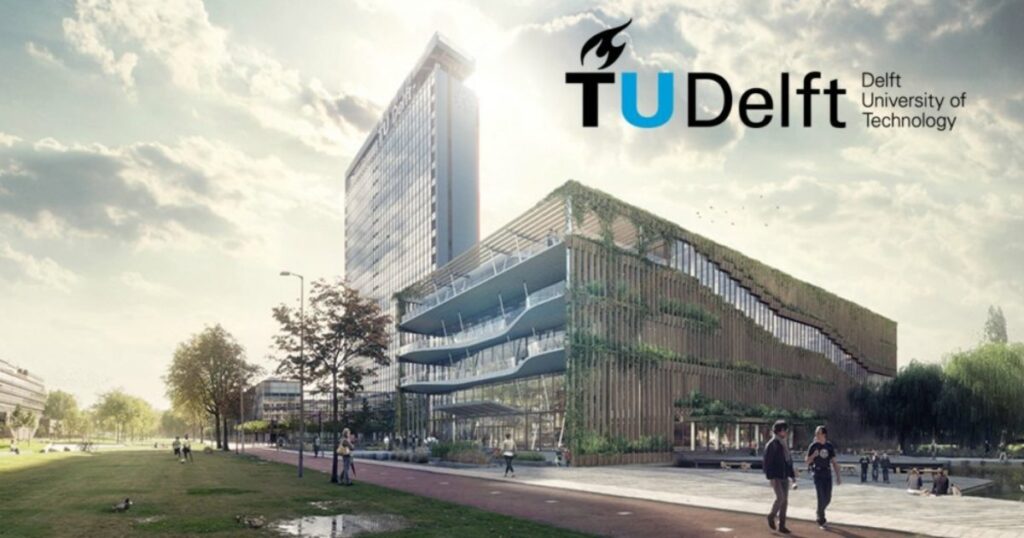
Delft University of Technology (TU Delft) is the largest and most prestigious technical university in the Netherlands and one of Europe's leading institutions for engineering, technology, and scientific research. Founded in 1842 and located in the historic city of Delft, the Netherlands, TU Delft has developed a global reputation for excellence in engineering education, groundbreaking research, innovation, and sustainable technological development. The university consistently ranks among the world's top universities in engineering and technology disciplines. TU Delft offers a comprehensive range of bachelor's, master's, doctoral, and professional programs across engineering, computer science, artificial intelligence, aerospace engineering, architecture, civil engineering, mechanical engineering, electrical engineering, industrial design, applied sciences, environmental technology, robotics, data science, and sustainable development. The university combines theoretical knowledge with practical problem-solving, preparing students to design innovative solutions for complex challenges facing society. The university is internationally recognized for its pioneering research in areas such as artificial intelligence, robotics, autonomous systems, aerospace technology, renewable energy, climate adaptation, smart cities, quantum technology, biotechnology, advanced materials, water management, and sustainable engineering. TU Delft operates numerous world-class research institutes, laboratories, and innovation centers where researchers collaborate with governments, international organizations, and industry partners to develop technologies with global impact. TU Delft has strong connections with industry and plays a major role in Europe's innovation ecosystem. The university collaborates with leading technology companies, engineering firms, research institutions, and startups, providing students and researchers with opportunities for internships, industry projects, entrepreneurship, and technology commercialization. Its innovation programs and startup ecosystem support students and researchers in transforming ideas into practical solutions and successful ventures. The university attracts students and researchers from more than 120 countries, creating a highly international and multicultural academic environment. TU Delft provides various scholarships, fellowships, research funding opportunities, and financial support programs for talented international students, including prestigious scholarship opportunities for master's and doctoral candidates. Students benefit from advanced laboratories, modern research facilities, digital learning environments, innovation spaces, and a strong academic network. TU Delft has produced many distinguished engineers, researchers, entrepreneurs, architects, and technology leaders who have contributed to advancements in aerospace, infrastructure, digital technologies, energy systems, and sustainable development. Its graduates are highly valued worldwide for their technical expertise, creativity, and ability to solve complex engineering problems. With its strong commitment to innovation, sustainability, research excellence, and international collaboration, Delft University of Technology continues to be one of the world's leading technical universities. Its combination of world-class engineering education, cutting-edge research, industry partnerships, and global impact makes TU Delft an outstanding destination for students and researchers seeking to build careers in science, technology, and engineering.